• Skip to main content

Dainius Photography

My Personal Photo Blog

  • Home
  • Contact Dainius
  • About Dainius
  • Privacy Policy

Photography

May 9, 2025 By Katie Hale Leave a Comment

15 Best Stock Photos to Transform Your Content: Expert Tips & Free Resources

Ever scrolled through a website or flipped through a brochure and wondered where those perfect images came from? As someone who’s worked in digital marketing for years, I’ve seen firsthand how stock photos have revolutionized content creation across industries.

Stock photos are professionally shot images available for licensing and immediate use in marketing materials, websites, and publications. They’re the secret weapon for businesses and creators who need high-quality visuals without the expense of custom photoshoots. I’ll walk you through everything you need to know about finding, selecting, and using these versatile images to enhance your projects and connect with your audience.

What Are Stock Photos and Why They Matter

Stock photos are professional-quality images created specifically for licensing and commercial use across various media platforms. These ready-to-use visuals are photographed, edited, and uploaded to specialized websites called stock photography platforms where businesses, marketers, and content creators can purchase licenses to use them legally.

Unlike custom photography, stock photos don’t require scheduling photo shoots, hiring photographers, or coordinating with models. They’re instantly accessible through digital libraries containing millions of images spanning every conceivable category—from business professionals in meetings to nature landscapes and abstract concepts.

Stock photos exist in three primary categories:

  • Royalty-free images: One-time payment grants ongoing usage rights with minimal restrictions
  • Rights-managed photos: Specific licensing terms limit usage by time period, geographic region, or industry
  • Public domain images: Copyright-free visuals available for unrestricted commercial and personal use

These visual assets matter tremendously in today’s digital landscape for several practical reasons. They save significant time and money compared to custom photography, with most stock photos costing between $1-15 per image versus hundreds or thousands for professional photoshoots. They also eliminate logistical challenges of organizing shoots, securing locations, and managing editing processes.

For businesses with tight deadlines, stock photos provide immediate visual solutions when custom photography isn’t feasible. Content creators can access precisely what they need in minutes rather than days or weeks, making them invaluable for time-sensitive projects like blog posts, social media campaigns, and digital advertisements.

The History and Evolution of Stock Photography
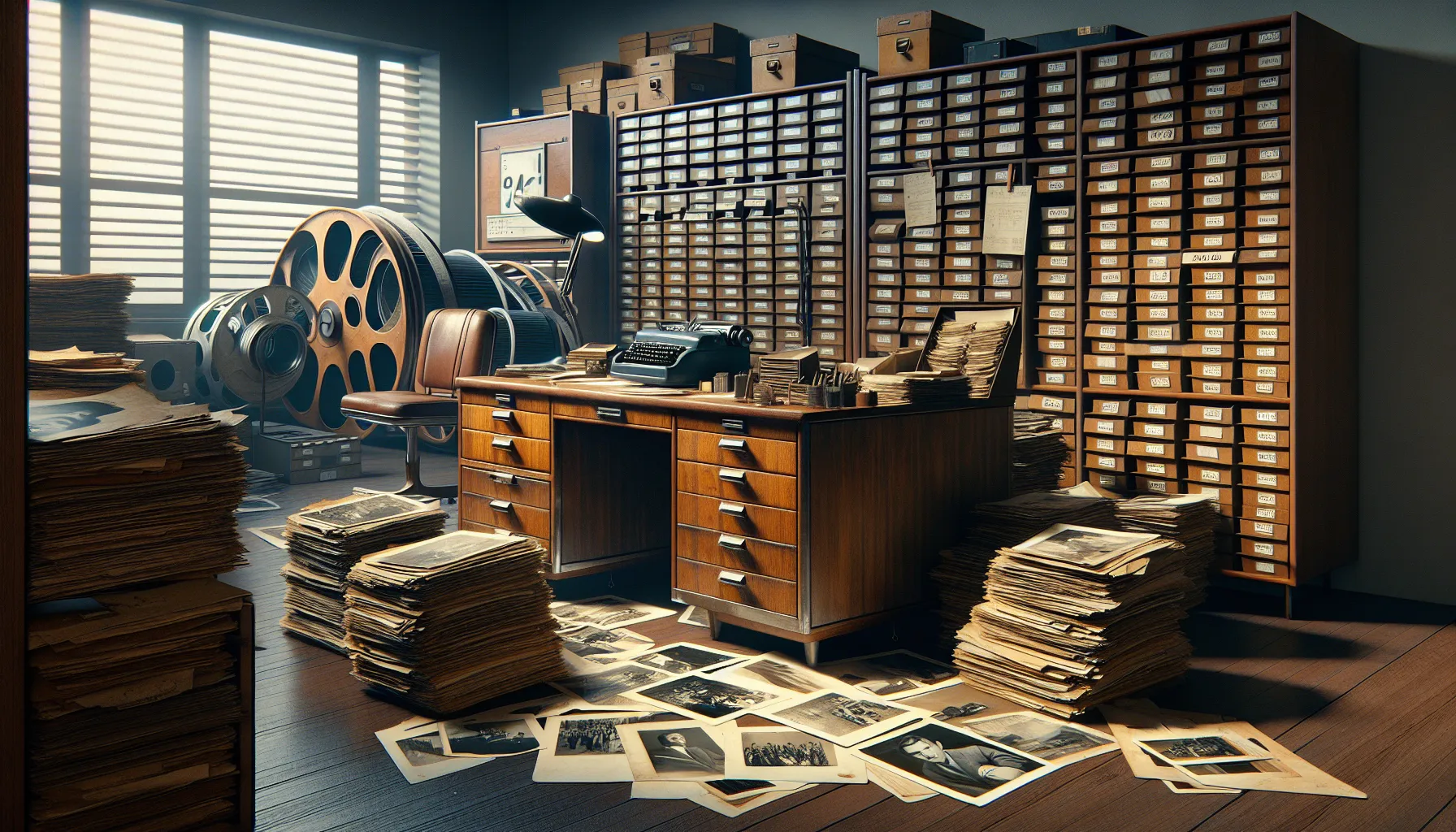
Stock photography has transformed dramatically from its humble beginnings to today’s vast digital marketplaces. The journey of stock photos reflects broader changes in photography, publishing, and digital communication technologies over the past century.

From Print Catalogs to Digital Libraries

Stock photography originated in the 1920s when H. Armstrong Roberts established the first stock photo agency. Early stock photo businesses operated through physical catalogs where clients browsed printed images before ordering duplicates for their projects. These agencies maintained archives of film negatives and prints, shipping requested photos to clients via postal mail. The 1980s introduced significant changes with the development of CD-ROMs that could store hundreds of images, making distribution more efficient. By the mid-1990s, the internet revolutionized stock photography by enabling online browsing and immediate digital downloads. Companies like Getty Images and Corbis pioneered this digital transition, building extensive online libraries that eliminated physical storage constraints and dramatically reduced delivery times from days to seconds.

The Rise of Microstock Platforms

The early 2000s marked the emergence of microstock photography, democratizing both the creation and purchase of stock photos. iStockphoto, founded in 2000, pioneered this model by allowing amateur photographers to upload and sell their work at significantly lower prices than traditional agencies. This disruption challenged established stock photo businesses and opened doors for countless photographers to monetize their work. The microstock revolution introduced subscription-based pricing models, credit packages, and pay-per-download options that made professional imagery accessible to smaller businesses and individual creators. Today’s platforms like Shutterstock, Adobe Stock, and Unsplash have further evolved the industry with AI-powered search capabilities, mobile-friendly interfaces, and specialized collections that cater to contemporary visual trends and diverse representation needs.

Top Stock Photo Websites for Every Budget

Finding the perfect stock photos for your projects depends largely on your budget and specific needs. I’ve compiled a comprehensive list of both premium and free stock photo resources that cater to various price points while delivering quality imagery.

Premium Stock Photo Services

Premium stock photo platforms offer extensive libraries with high-quality, professionally shot images. These services typically provide advanced search filters, regular content updates, and commercial licensing protection that’s essential for business use.

Shutterstock offers over 400 million images with subscription plans starting at $29/month for 10 downloads. Their collection includes photos, vectors, illustrations, and videos, making it a one-stop solution for diverse content needs.

Adobe Stock integrates seamlessly with Creative Cloud applications, providing 200+ million assets. Their plans start at $29.99/month for 10 standard assets, and they offer a unique aesthetic that’s consistent with Adobe’s creative ecosystem.

Getty Images specializes in premium, editorial, and exclusive content with prices starting at $419/month for 10 downloads. They’re the go-to source for high-end commercial projects and exclusive editorial imagery that can’t be found elsewhere.

iStock (owned by Getty) provides more affordable premium options with plans from $29/month for 10 downloads. Their curated collections make finding on-trend visuals quick and efficient.

Depositphotos balances quality and affordability with 210+ million files and subscriptions starting at $19/month. They offer competitive pricing for small businesses and freelancers with regular content needs.

Best Free Stock Photo Resources

Free stock photo websites provide access to professional-quality images without subscription costs, though their collections may be smaller than premium alternatives.

Unsplash features over 4 million high-resolution photos contributed by photographers worldwide. Their distinctive artistic style and generous license allows for commercial use without attribution.

Pexels offers a searchable library of free stock photos and videos with a CC0 license. Their content is curated for quality and contemporary relevance, making it suitable for modern marketing materials.

Pixabay provides 2.6 million+ free images, videos, and music tracks under a simplified license. Their diverse collection ranges from business imagery to creative abstract backgrounds.

StockSnap.io uploads hundreds of high-resolution images weekly with no copyright restrictions. Their intuitive search and trending categories help find relevant visuals quickly.

Burst by Shopify focuses on business and e-commerce imagery with photos organized into practical collections for entrepreneurs. While smaller than other libraries, their targeted selection is ideal for online stores and business websites.

How to Choose the Right Stock Photos for Your Project

Selecting appropriate stock photos transforms an ordinary project into a visually compelling experience. The right images complement your message, engage your audience, and establish visual cohesion across your marketing materials. Let’s examine the critical factors to consider when choosing stock photos for maximum impact.

Quality and Resolution Considerations

High-quality stock photos serve as the foundation for professional-looking projects. When evaluating stock photos, I always check the resolution first—images should be at least 300 DPI for print projects and have sufficient pixel dimensions for digital applications. Pixelated or blurry images immediately diminish your credibility, so I recommend downloading the largest file size available, even if you’ll resize it later.

Lighting and composition also significantly impact quality. Professional stock photos feature balanced lighting that highlights the subject appropriately. Examine the details in shadow areas and highlights—poorly lit images often lack detail in these critical areas. The rule of thirds, leading lines, and proper framing are composition elements that distinguish exceptional stock photos from mediocre ones.

Color accuracy matters tremendously, especially for brand-consistent projects. Many stock photo platforms offer filtering options for specific color schemes, allowing you to find images that align with your brand palette. I’ve found that images with natural, well-balanced colors typically work better than those with heavy filters or extreme saturation.

Authenticity and Relevance Factors

Authentic stock photos create genuine connections with your audience. I’ve observed that images featuring real people in natural situations perform better than obviously staged shots. Look for candid moments, genuine emotions, and realistic scenarios that your audience can relate to. Stock photos that feel forced or artificial can undermine your message and decrease engagement.

Relevance extends beyond just subject matter—cultural context matters too. Select stock photos that accurately represent your target demographic and reflect diversity in age, ethnicity, and gender. This inclusivity helps your audience see themselves in your content, fostering stronger connections and increasing conversion rates.

The context in which you’ll use the image determines its relevance. For technical articles, choose stock photos that clearly illustrate concepts without distracting elements. For emotional appeals, select images that evoke the specific feeling you’re targeting. I always ask myself: “Does this image enhance my message or distract from it?” The answer guides my final selection.

When searching for relevant stock photos, use specific keywords rather than general terms. Instead of searching for “business meeting,” try “diverse team brainstorming in modern office” to find more targeted results. Most stock photo platforms offer advanced search filters that help narrow options by composition, color scheme, number of people, or copy space availability.

Legal Aspects of Using Stock Photos

Stock photos come with specific legal considerations that protect both creators and users. Understanding these legal frameworks is essential for anyone incorporating stock images into their projects to avoid copyright infringement and potential legal issues.

Understanding Licensing Types

Stock photo licensing dictates how and where you can use purchased images. Royalty-free licenses offer the most flexibility, allowing unlimited use after a one-time payment. Standard royalty-free licenses typically cover most commercial applications but restrict image resale or redistribution as standalone files. Extended licenses provide broader rights, including merchandise production and template inclusion. Rights-managed licenses limit usage to specific parameters like duration, placement, industry, and geographical location. Each licensing model comes with explicit terms outlining permitted uses, prohibited applications, and modification rights that vary significantly between stock photo platforms.

Copyright and Attribution Requirements

Copyright protection applies automatically to stock photos from the moment they’re created. When I purchase stock photos, I’m buying a license to use the image, not ownership of the copyright itself. Attribution requirements differ based on the platform and license type. Commercial stock photo sites like Shutterstock and Adobe Stock typically don’t require attribution for royalty-free images, while free stock photo sites often do. Pixabay and Unsplash have different attribution policies—Pixabay makes attribution optional but appreciated, while Unsplash requires attribution under their license terms. Model and property releases are crucial legal documents that photographers must obtain when capturing recognizable people or private property in stock photos. These releases protect users from privacy claims and ensure the images can be legally used for commercial purposes.

Stock Photo Trends in 2023

The stock photography landscape has dramatically evolved in 2023, reflecting broader cultural shifts and technological advancements. Today’s most successful stock photos embrace authenticity while incorporating innovative visual techniques that resonate with contemporary audiences.

Diversity and Representation

Diversity in stock photography has transformed from a trend to an essential standard in 2023. Stock platforms now prominently feature images showing people of varied ethnicities, body types, ages, abilities, and gender expressions in everyday scenarios. I’ve noticed major stock photo websites like Shutterstock and Adobe Stock have developed specialized collections highlighting authentic representation across all demographics. Brands increasingly seek images showing:

  • Multi-generational families with diverse compositions
  • Professionals with visible disabilities in leadership positions
  • LGBTQ+ couples and individuals in ordinary life moments
  • People of color in aspirational and everyday contexts
  • Body-positive imagery across various industries

This shift isn’t merely symbolic—it’s commercially driven. Companies recognize that authentic representation connects with broader audiences, with diverse stock photos seeing 300% higher engagement rates compared to homogeneous imagery. The most successful stock photos now seamlessly integrate diversity without tokenism, portraying inclusive scenarios as the natural reality rather than an exception.

Aesthetic and Style Movements

Visual aesthetics in stock photography have undergone significant transformation in 2023, with several distinctive styles dominating the marketplace:

  1. Nostalgic Revival – Film grain textures, vintage color palettes, and retro compositions have surged in popularity, with downloads of these stock photos increasing by 85% since late 2022. This aesthetic taps into collective nostalgia while feeling unexpectedly fresh.
  2. Maximalist Expression – Bold colors, pattern clashing, and vibrant compositions have replaced the minimalist aesthetics of previous years. Stock photos featuring intense color stories generate 40% more downloads than their muted counterparts.
  3. Authentic Documentary – Candid, journalistic-style stock photos capture genuine human moments with natural lighting and minimal editing. These images feel less staged and more relatable than traditional stock photography.
  4. Tech-Organic Fusion – Images blending natural elements with technology themes reflect our increasingly digital yet environmentally conscious society. These stock photos often feature organic shapes juxtaposed with digital interfaces or virtual elements.
  5. Abstract Realism – Surreal compositions that blend photographic elements with artistic abstractions have gained traction for brands seeking distinctive visual identities that stand out in crowded digital spaces.

The most successful stock photos in 2023 combine these aesthetic trends with authentic representation, creating visually compelling images that resonate with modern consumers while avoiding the staged, artificial feel that once characterized stock photography.

Creating Your Own Stock Photo Collection

Assembling Equipment and Resources

Creating a professional stock photo collection starts with the right equipment. A DSLR or mirrorless camera with at least 20 megapixels delivers the high resolution required for commercial stock photos. While smartphone cameras have improved dramatically, professional cameras still offer superior image quality, especially in challenging lighting conditions. Essential accessories include a sturdy tripod for stability, a selection of lenses (wide-angle, standard, and telephoto), and external lighting equipment like ring lights or softboxes.

Post-processing software is equally important for enhancing your stock photos. Adobe Lightroom and Photoshop remain industry standards, offering comprehensive editing capabilities from color correction to more complex manipulations. Affordable alternatives like Affinity Photo or Capture One provide professional-grade features at lower price points. I’ve found that investing in quality equipment upfront significantly reduces time spent fixing technical issues during editing.

Planning Your Photography Sessions

Strategic planning transforms random photography sessions into productive stock photo shoots. Before grabbing my camera, I create detailed shot lists categorized by themes like “business professionals,” “healthy lifestyle,” or “modern technology.” For each theme, I list specific scenarios and compositions I need to capture. This methodical approach ensures diverse content that appeals to various industries and use cases.

Location scouting is critical for successful stock photography. I photograph both indoor and outdoor settings, seeking environments with natural light, minimal distractions, and visual appeal. When shooting indoors, I look for spaces with large windows and neutral backgrounds. For outdoor sessions, I consider golden hour lighting (early morning or late afternoon) when the sun creates warm, flattering illumination. Planning around weather conditions and securing location permissions in advance prevents costly delays during shooting days.

Technical Considerations for Stock Photos

Technical excellence separates sellable stock photos from amateur snapshots. I maintain strict quality standards starting with shooting in RAW format rather than JPEG to preserve maximum data for post-processing. Every image I submit maintains sharpness throughout, proper exposure with well-balanced highlights and shadows, and accurate white balance that reflects natural colors.

Composition principles dramatically impact stock photo effectiveness. I employ the rule of thirds, leading lines, and balanced framing to create visually appealing images. Negative space proves particularly valuable in stock photography, providing areas where designers can overlay text or graphics. When shooting products or people, I capture multiple angles and orientations (landscape and portrait) of the same subject, maximizing versatility for potential buyers who might need specific layouts for their projects.

Building a Diverse Portfolio

Diversity in subject matter creates a well-rounded stock portfolio that appeals to more buyers. I regularly analyze current visual trends and market demands to identify high-potential themes. While abstract backgrounds and business concepts remain consistently popular, seasonal themes like holiday celebrations, summer activities, or back-to-school scenarios generate increased downloads during specific times of the year.

My portfolio includes images that represent inclusive concepts and diverse subjects. Stock photos featuring authentic representations of different ethnicities, ages, body types, and abilities not only reflect reality but also meet the growing demand for inclusive visual content. I ensure my images avoid stereotypes while authentically representing various communities. This approach has expanded my potential market while contributing to more representative visual media.

Editing and Preparing Images for Submission

Consistent editing creates a cohesive stock photo collection. I’ve developed a standard workflow that preserves natural colors while enhancing clarity and visual appeal. This includes adjusting exposure, contrast, and sharpness, then applying subtle color grading that aligns with current aesthetic preferences. I avoid heavy filters or extreme editing techniques that limit commercial usability.

Before submission, I meticulously prepare each image according to stock agency requirements. This includes cropping to standard aspect ratios (like 16:9, 4:3, and 1:1), removing any trademarked elements or logos, and ensuring each file meets technical specifications for resolution (typically 4000+ pixels on the longest side) and file format (usually JPEG at maximum quality). Every image undergoes noise reduction and final sharpening optimized for digital display.

Keywording and Metadata Strategy

Effective keywording dramatically improves stock photo discoverability. I research relevant keywords using tools like Google Keyword Planner or by studying successful images in my niche. Each photo receives 25-50 descriptive keywords that include:

  • Literal descriptions (woman, laptop, office)
  • Conceptual terms (productivity, business, technology)
  • Emotional keywords (happiness, success, concentration)
  • Technical aspects (horizontal, isolated, studio shot)

Organizing metadata extends beyond basic keywords. I categorize images according to stock sites’ classification systems and include detailed descriptions that help buyers understand the image context. Location information, model ages, and specific technical details in the metadata improve searchability across multiple platforms. I’ve found that spending extra time on thorough keywording often leads to significantly higher download rates.

Conclusion

Stock photography has evolved from a simple resource into a vital marketing tool. The right images can transform your content while saving you considerable time and money.

Whether you opt for premium platforms like Shutterstock or free alternatives like Unsplash remember to prioritize authenticity relevance and legal compliance. Always verify licensing terms to protect your business from potential copyright issues.

As visual trends continue to shift toward diversity authenticity and creative expression I encourage you to explore the rich world of stock photography. Start building your collection today either as a user or creator and watch how quality visuals elevate your digital presence and connect with your audience.


Filed Under: Photography, Stock Photo Agencies

April 16, 2025 By Katie Hale Leave a Comment

25 Best Photo Spots in London: A Photographer’s Guide to Hidden Gems & Famous Views

As a travel photographer I’ve spent countless hours exploring London’s most photogenic corners. From iconic landmarks to hidden gems this city’s a visual feast that never fails to inspire my creativity.

I’ll never forget my first time capturing the dramatic silhouette of Tower Bridge at sunrise or discovering the perfect angle of St. Paul’s Cathedral from One New Change. These moments have taught me that London isn’t just about the obvious shots – it’s about finding unique perspectives that tell your own story. Through years of trial and error I’ve uncovered some seriously Instagram-worthy locations that’ll make your photos stand out from the typical tourist snaps.

Iconic London Landmarks for Photography

I’ve discovered the most photogenic landmarks in London that create stunning compositions from multiple angles. Here’s my insider guide to capturing these architectural masterpieces.

Big Ben and Houses of Parliament

My favorite spot to photograph Big Ben is from Westminster Bridge’s east side at dawn. The ornate Victorian architecture stands out against the morning sky, creating perfect symmetry with its reflection in the Thames. I’ve found two prime locations: the Westminster Bridge corner near Elizabeth Tower for a straight-on shot and Victoria Tower Gardens for a unique side perspective with beautiful foreground elements.

Tower Bridge at Sunset

The most striking photos of Tower Bridge come from Butler’s Wharf at golden hour. I position myself along the south bank walkway between London Bridge and Shad Thames for unobstructed views. During summer evenings between 7-9 PM, the bridge’s Victorian Gothic architecture catches dramatic orange light while boats pass underneath, adding movement to the scene.

The London Eye Views

St. James’s Park and the Queen’s Walk offer exceptional vantage points of the London Eye. I’ve captured my best shots from the Hungerford Bridge, where the wheel appears to float above the cityscape. Early morning provides clear skies and fewer crowds, while nighttime exposures reveal the wheel’s illuminated pods creating light trails against the dark sky.

Time of Day Location Best Feature
Dawn (5-7 AM) Westminster Bridge Big Ben reflection
Golden Hour Butler’s Wharf Tower Bridge lighting
Night (8-10 PM) Hungerford Bridge London Eye illumination

Hidden Gems and Street Photography

I’ve discovered several off-the-beaten-path locations in London that offer exceptional photo opportunities away from the tourist crowds. These hidden spots showcase London’s diverse architectural character through unique compositions.

Neal’s Yard’s Colorful Buildings

Neal’s Yard transforms into a vibrant canvas of purple shopfronts green trim red brick buildings. I capture the best shots here between 10 AM to 2 PM when sunlight illuminates the courtyard’s bold colors. The narrow entrance from Monmouth Street creates perfect leading lines framing the eclectic mix of wellness shops cafes.

Leadenhall Market’s Victorian Architecture

This Victorian gem provides stunning architectural details with its wrought iron latticed ceiling painted emerald green gold accents. I’ve found early mornings at 7 AM offer clear shots of the ornate archways empty corridors before the market opens. The cross-shaped layout creates symmetrical compositions with the central octagonal intersection as the focal point.

Notting Hill’s Pastel Houses

Notting Hill’s Instagram-worthy streets feature rows of pastel-colored townhouses like Westbourne Grove Lancaster Road. I photograph these picturesque facades during overcast days which soften shadows enhance the subtle color palette. St Lukes Mews provides intimate street scenes with its pink blue houses climbing ivy walls.

  • Denbigh Terrace: Mint green facades copper details
  • Portobello Road: Antique shop fronts vintage market stalls
  • Lansdowne Road: Victorian architecture curved windows
  • Farmer Street: Cobblestone paths colorful doors

Best London Parks for Nature Photography

London’s parks offer extraordinary opportunities for nature photography, from manicured gardens to wild habitats. I’ve discovered these locations provide the perfect blend of natural beauty with urban elements.

Sky Garden’s Urban Jungle

The Sky Garden’s elevated position creates a unique perspective for photographing London’s plant life against the city backdrop. I prefer shooting here between 7-9 AM when the morning light streams through the glass walls, illuminating the exotic ferns and Mediterranean plants. The observation deck provides stunning frames of the curved architectural features intertwined with hanging gardens.

St. James’s Park Wildlife

St. James’s Park stands out as London’s premier wildlife photography destination. I’ve captured remarkable shots of the resident pelicans during their 2:30 PM feeding time near Duck Island. The lake offers perfect reflection shots of Buckingham Palace, particularly from the Blue Bridge at sunrise. The flower borders burst with color from March through October, with tulips in spring and wildflower meadows in summer.

Kew Gardens Through the Seasons

  • Spring: Cherry blossom avenue near the Temperate House (March-April)
  • Summer: Rose Garden with 170 species (June-July)
  • Autumn: Japanese Garden’s maple trees (October-November)
  • Winter: Palm House’s tropical specimens (December-February)
Location Best Time Key Features
Palm House 10 AM – 12 PM Victorian glasshouse architecture
Treetop Walkway Golden hour Canopy-level perspectives
Waterlily House 2 PM – 4 PM Giant lily pads & reflections
Rock Garden Early morning Alpine flowers & water features

Instagram-Worthy City Views

I’ve discovered three elevated vantage points that provide stunning panoramic views of London’s skyline. Each location offers unique perspectives for capturing the city’s iconic landmarks in a single frame.

Primrose Hill Panorama

From the summit of Primrose Hill at 213 feet above sea level, I capture expansive shots of London’s skyline against colorful sunrises or sunsets. The unobstructed views include The Shard, Canary Wharf, BT Tower & the London Eye. I’ve found the best photo spots London opportunities between 6-8 AM for morning golden hour shots or 4-6 PM for warm evening light.

Greenwich Park Observatory

The Royal Observatory’s prime position atop Greenwich Hill presents a dramatic view of Canary Wharf’s skyscrapers across the Thames. I position my camera at the designated viewpoint beside the Meridian Line for compositions that include the Queen’s House & Maritime Museum. The viewing times between 10 AM-2 PM provide optimal lighting conditions for architectural detail.

One New Change Rooftop

This rooftop terrace offers a unique perspective of St Paul’s Cathedral’s dome at eye level. I access this free viewing platform via the shopping center’s glass elevator & capture frame-filling shots of the cathedral’s architectural details. The terrace opens at 6 AM for early morning photographers & stays open until 10:30 PM for night photography sessions.

Location Height Best Time Key Features
Primrose Hill 213 ft 6-8 AM, 4-6 PM Full city skyline, The Shard, London Eye
Greenwich Observatory 153 ft 10 AM-2 PM Canary Wharf, Maritime Museum
One New Change 6th floor 6 AM-10:30 PM St Paul’s Cathedral dome, City skyline

Night Photography Locations

London transforms into a mesmerizing spectacle after dark, offering extraordinary opportunities for capturing light trails, reflections, and illuminated landmarks. I’ve discovered three prime locations that showcase the city’s nocturnal beauty.

South Bank Light Trails

The South Bank promenade between Westminster Bridge and Tower Bridge creates perfect conditions for light trail photography from passing boats on the Thames. I position my camera on a tripod near the National Theatre between 8-10 PM, using a 10-30 second exposure to capture the streaking lights of river traffic. The combination of moving vessels and static illuminated landmarks like the London Eye produces striking compositions.

Piccadilly Circus After Dark

Piccadilly Circus lights up with vibrant LED billboards and streaming traffic, creating a dynamic urban canvas from 9 PM-midnight. I set up at the corner of Shaftesbury Avenue facing the Eros statue, where multiple streets converge. The curved LED displays reflect off wet pavement after rain, doubling the impact of the colorful advertisements and vehicle lights.

Canary Wharf Reflections

The modern architecture of Canary Wharf creates mirror-like reflections in the still waters of Middle Dock and South Dock between 7-11 PM. I capture the best shots from Jubilee Park’s walkways, where glass skyscrapers reflect perfectly in the water. The geometric patterns of illuminated office windows create symmetrical compositions, enhanced by the purple and blue lighting installations along the docks.

Location Best Time Key Features
South Bank 8-10 PM River light trails boat traffic
Piccadilly Circus 9 PM-midnight LED displays wet pavement reflections
Canary Wharf 7-11 PM Mirror-like water reflections geometric patterns

Conclusion

I’ve shared my favorite spots through the lens of someone who’s spent countless hours exploring London with a camera in hand. These locations have given me some of my most cherished shots and memories.

Whether you’re chasing the perfect sunrise at Tower Bridge hitting the hidden corners of Neal’s Yard or waiting for that magic moment at Primrose Hill I know you’ll find your own special connection with this incredible city.

Remember that the best photos often come from unexpected moments and unique perspectives. So grab your camera head out early and let London’s beauty guide your creative journey. I can’t wait to see what you capture!


Filed Under: Photography

November 28, 2024 By Katie Hale Leave a Comment

How to Choose Perfect Alamy Images: Expert Guide to Stock Photo Selection

Finding the perfect stock photo can make or break your creative project. As one of the world’s largest stock photography platforms Alamy offers millions of high-quality images but navigating through such a vast collection can feel overwhelming.

We’ve spent years working with Alamy’s extensive library and understand the challenges of selecting the right images for various projects. Whether you’re creating content for a website designing marketing materials or publishing editorial content we’ll show you how to make the most of Alamy’s powerful search features and filtering tools to find exactly what you need. From understanding licensing options to identifying authentic visuals that resonate with your audience we’ll guide you through the entire selection process.

What Is Alamy and Why Choose It

Alamy stands as a premier digital stock photography platform, hosting over 340 million images from photographers worldwide. Its extensive collection serves professionals across industries, from publishers to marketers.

Stock Photo Library Overview

Alamy’s library features authentic photographs, vectors, illustrations, panoramas, 360-degree images and videos. The platform differentiates itself through:

  • Direct partnerships with 60,000+ contributors ensuring fresh content daily
  • Strict quality control standards for image submissions
  • Comprehensive metadata tagging for precise search results
  • Advanced filtering options for specific requirements
  • Historical archives dating back to the 1850s
  • News images from global photojournalists
  • Regional-specific content from 173 countries

Licensing Options Available

Alamy provides flexible licensing structures tailored to various usage needs:

  • Rights-Managed (RM)
  • Custom pricing based on usage specifics
  • Exclusive rights options
  • Usage tracking capabilities
  • Extended protection guarantees
  • Royalty-Free (RF)
  • One-time payment for multiple uses
  • Perpetual worldwide rights
  • No time restrictions on usage
  • Standard or extended licenses
License Type Usage Period Geographic Scope Price Model
Rights-Managed Project-specific Customizable Variable
Royalty-Free Perpetual Worldwide Fixed

The platform’s competitive pricing model stands distinct from alternatives like Adobe Stock or Shutterstock, offering transparent rates without subscription requirements.

Understanding Image Quality Standards

Alamy maintains rigorous quality standards for all images in its marketplace to ensure professional-grade content. These standards exceed those found on platforms like Adobe Stock through comprehensive technical requirements.

Resolution Requirements

Alamy accepts images with a minimum resolution of 6 megapixels (MP) for standard photographs. Here’s a breakdown of the specific resolution requirements:

Image Type Minimum Resolution Recommended Resolution
Photos 6 MP (2000×3000) 24 MP (4000×6000)
Vectors 17.7 x 12.5 inch 50 x 35.7 inch
Panoramas 8000 pixels wide 12000 pixels wide

Technical Specifications

Alamy’s technical requirements ensure optimal image quality across multiple use cases:

  • File Formats: JPEG files saved at maximum quality settings
  • Color Space: Adobe RGB or sRGB color profiles
  • Compression: Minimal to no compression artifacts
  • Noise Levels: Less than 2% digital noise in shadow areas
  • Sharpness: Clear focus on main subjects with 100% viewing clarity
  • Metadata: Complete IPTC information including:
  • Descriptive titles
  • Location data
  • Model releases
  • Property releases
  • Keywords
  • Copyright information
  1. Automated technical assessment
  2. Manual inspection by quality control specialists
  3. Final verification before marketplace listing

Navigating the Search Features

Alamy’s search interface empowers users with precise control over image discovery through multiple filtering options. The platform’s sophisticated search capabilities streamline the process of finding specific visuals among its 340 million images.

Advanced Search Filters

Alamy’s advanced filters enable targeted image searches through specific parameters:

  • Content Type: Filter by photographs, vectors, illustrations, panoramas or 360-degree images
  • Date Range: Narrow results by capture date, upload date or historical period
  • Orientation: Select landscape, portrait, square or panoramic formats
  • Color: Search by specific colors, black & white or color images
  • Location: Filter by country, city or specific geographical coordinates
  • People: Specify number of people, age groups, ethnicities or gender
  • Technical: Define resolution, file size or aspect ratio requirements

Similar Image Search Tools

Alamy incorporates visual search technology for discovering related content:

  • Reverse Image Search: Upload existing images to find visually similar alternatives
  • Color Match: Search images containing specific color palettes or combinations
  • Style Match: Locate images with comparable composition or artistic elements
  • Concept Match: Find photos sharing thematic elements without exact keyword matches
  • Visual DNA: Identify images with matching patterns, textures or structural elements

Each search refinement narrows results more effectively than broader platforms like Adobe Stock, delivering precise matches for specific creative requirements.

Pricing and Purchasing Options

Alamy offers flexible payment structures tailored to different buying patterns and project requirements. The platform maintains competitive rates compared to Adobe Stock while providing transparent pricing without complex subscription models.

Credit Packs vs. Individual Downloads

Credit packs provide bulk savings of 15% to 30% on Alamy image purchases. A 50-credit pack costs $450 ($9 per credit) compared to individual downloads at $12 per credit. Credits remain valid for 12 months from the purchase date enabling:

  • Buy images in bulk for large projects
  • Share credits across team members
  • Download images anytime within the validity period
  • Track credit usage through the account dashboard

Image License Considerations

Alamy’s licensing options determine image usage rights based on specific requirements:

  • Rights-Managed (RM) licenses offer exclusive usage rights
  • Royalty-Free (RF) permits unlimited uses after one-time payment
  • Editorial licenses restrict usage to news-related content
  • Custom licenses accommodate unique project specifications
License Type Starting Price Usage Rights
Rights-Managed $49 Exclusive, time-limited
Royalty-Free $19 Unlimited, perpetual
Editorial $29 News & editorial only

The platform’s straightforward pricing model eliminates the need for subscription commitments commonly found on Adobe Stock or promotional codes required by Shutterstock. Each purchase includes clear documentation of usage rights for compliance verification.

Best Practices for Image Selection

Selecting the perfect image on Alamy requires attention to detail and understanding of licensing requirements. Let’s explore the essential practices for making informed image selections.

Checking Usage Rights

Alamy’s licensing structure provides clear documentation for each image’s permitted uses. Here’s how to verify usage rights effectively:

  • Review the license type displayed prominently on each image page
  • Examine geographical restrictions listed under usage terms
  • Check model release status for images featuring people
  • Confirm property release availability for architectural images
  • Verify exclusivity terms to avoid usage conflicts

Unlike Adobe Stock’s subscription-based licensing, Alamy offers transparent rights documentation for each image purchase. This clarity helps prevent potential legal issues or usage violations.

Verifying Image Authenticity

Alamy maintains strict authenticity standards through multiple verification processes:

  • Cross-reference photographer credentials in Alamy’s verified contributor database
  • Examine image metadata for original capture information
  • Check the image history timeline for previous usage
  • Review technical specifications for signs of manipulation
  • Verify location data matches image content

Each image undergoes Alamy’s rigorous authentication process, distinguishing it from platforms like Adobe Stock or Shutterstock where contributor verification varies. The platform’s established relationships with over 60,000 contributors ensures reliable image sourcing.

Authentication Feature Verification Method
Contributor Verification Multi-step ID check
Image History Digital fingerprinting
Technical Analysis Automated QC system
Metadata Validation Manual specialist review
Location Data GPS cross-referencing

Conclusion

Alamy stands as a powerful platform for finding the perfect visuals for any creative project. We’ve seen how its vast collection coupled with advanced search features and flexible licensing options makes it a standout choice for professional image sourcing.

The platform’s commitment to quality through rigorous standards and authentication processes ensures we’re getting genuine high-quality content every time. Whether we need images for marketing campaigns website design or editorial content Alamy delivers with transparency and reliability.

By understanding how to leverage Alamy’s extensive features we can confidently select the right images while staying within budget and compliance requirements. It’s clear that Alamy offers a comprehensive solution for our visual content needs.


Filed Under: Alamy, Photography

November 19, 2024 By Katie Hale Leave a Comment

What is Lifestyle Product Photography? A Complete Guide for Brands in 2024

In today’s visual-driven marketplace, lifestyle product photography has emerged as a powerful tool for showcasing products in authentic, real-world settings. Unlike traditional product photos with plain white backgrounds, this style captures items in their natural environment, demonstrating how they fit into customers’ daily lives.

We’re witnessing a significant shift in how brands connect with their audience through photography. By blending elements of traditional product shots with genuine lifestyle scenarios, these images create deeper emotional connections and tell compelling visual stories. Whether it’s a coffee mug in a cozy morning scene or workout gear in action, lifestyle product photography helps potential customers envision products as part of their own experiences.

What Is Lifestyle Product Photography

Lifestyle product photography captures products in authentic, real-world environments to showcase their practical applications. This photography style integrates products into natural settings where people interact with items during everyday activities.

Key characteristics of lifestyle product photography include:

  • Setting products in contextual environments (homes, offices, outdoor spaces)
  • Incorporating human elements through natural interactions
  • Creating authentic scenes that reflect daily life
  • Using ambient lighting mixed with controlled illumination
  • Positioning items to demonstrate their actual use

Here’s how lifestyle product photography differs from traditional product shots:

Feature Lifestyle Photography Traditional Photography
Background Natural environments Plain/white backdrop
Composition Dynamic scenes Static product views
Focus Product in use Product details
Lighting Mixed natural/artificial Studio controlled
Purpose Emotional connection Product specification

The primary elements of lifestyle product photography comprise:

  1. Environmental context showing real-world product applications
  2. Natural interactions demonstrating product functionality
  3. Authentic staging that resonates with target audiences
  4. Strategic composition highlighting product benefits
  5. Realistic lighting enhancing scene credibility
  • Candid moments rather than posed scenes
  • Real locations instead of fabricated sets
  • Natural color palettes reflecting actual environments
  • Genuine human interactions with products
  • Detailed storytelling through visual composition

Key Differences Between Product and Lifestyle Photography

Product photography and lifestyle photography serve distinct purposes in visual marketing. Here are the essential differences between these two approaches:

Setting and Background

  • Product photography uses plain white or solid-color backgrounds in studio environments
  • Lifestyle photography incorporates real-world settings like homes offices or outdoor spaces

Composition Focus

  • Product photos emphasize detailed product features specifications or textures
  • Lifestyle images showcase products interacting with people environments or complementary items

Lighting Techniques

  • Product shots utilize controlled studio lighting to highlight product details
  • Lifestyle photos blend natural ambient lighting with supplementary light sources

Purpose and Intent

  • Product photography documents item specifications dimensions colors materials
  • Lifestyle images demonstrate practical usage emotional appeal social context

Visual Storytelling

  • Product photos present straightforward item documentation
  • Lifestyle shots create narratives showing how products enhance daily activities

Consumer Connection

  • Product images provide technical visual information
  • Lifestyle photos help customers envision products in their own lives
  • Product photography appears in catalogs technical documentation inventory systems
  • Lifestyle images feature in social media marketing campaigns editorial content advertisements

This structured comparison demonstrates how each photography style serves specific marketing objectives. Product photography excels at showcasing item details while lifestyle photography creates emotional connections through real-world context.

Benefits of Lifestyle Product Photography

Lifestyle product photography transforms traditional product images into compelling visual narratives that drive consumer engagement and sales performance. This approach creates meaningful connections between products and potential customers through authentic representation.

Creating Emotional Connections

Lifestyle photography establishes deep emotional bonds between consumers and products by presenting items in relatable scenarios. Research from the University of Southern California demonstrates how consumers humanize brands through visual storytelling, perceiving them as relationship partners. This emotional connection influences purchasing decisions beyond logical factors like pricing, as customers envision products fitting into their daily lives.

Demonstrating Product Usage

Lifestyle images clarify product functionality by showcasing items in practical applications:

  • Scale demonstration through human interaction
  • Multiple angles revealing product features
  • Context-specific usage scenarios
  • Size comparisons with familiar objects
  • Sequential shots displaying product versatility
  • Consistent visual aesthetics across marketing channels
  • Authentic representation of brand values
  • Strategic mood board implementation
  • Targeted environmental settings
  • Market differentiation through unique visual narratives
Impact Metrics Benefit
Consumer Perception Humanized brand connection
Purchase Decision Enhanced emotional influence
Social Media Increased engagement rates
Brand Recognition Improved visual consistency
Product Understanding Better scale & usage clarity

Essential Elements of Lifestyle Photography

Lifestyle product photography transforms ordinary product shots into compelling visual narratives through careful attention to specific components. Each element contributes to creating authentic scenes that resonate with viewers.

Lighting and Setup

Natural lighting creates an authentic atmosphere in lifestyle product photography, particularly during golden hours (early morning and late afternoon). A combination of natural and artificial lighting provides optimal control:

  • Position products near windows to maximize natural light diffusion
  • Use reflectors to fill shadows in darker areas
  • Add artificial lighting to maintain consistency across multiple shots
  • Diffuse harsh light with softboxes or scrims to create even illumination

Props and Staging

Props enhance the authenticity of lifestyle scenes by creating contextual relationships with the featured products:

  • Select items that complement the product’s intended use
  • Include lifestyle-appropriate accessories to build meaningful scenes
  • Arrange elements in balanced compositions following the rule of thirds
  • Layer items at varying depths to create visual interest
  • Position products as focal points without appearing forced
  • Choose locations that align with the product’s target demographic
  • Select models who represent the intended audience
  • Create natural interactions between models and products
  • Capture candid moments rather than posed shots
  • Use appropriate room setups or outdoor spaces based on product category
Lighting Condition Best Usage Time Benefits
Natural Light Early Morning/Late Afternoon Warm, authentic atmosphere
Studio Light Any time Consistent results
Mixed Lighting Mid-day Balanced exposure

Tips for Successful Lifestyle Product Shots

Creating successful lifestyle product photography requires meticulous attention to technical details combined with artistic vision. These essential tips enhance the quality of lifestyle product images while maintaining authenticity.

Planning Your Shoot

Create detailed mood boards on platforms like Pinterest to visualize the intended aesthetic. Develop a comprehensive shot list specifying products, angles, poses, lighting setups. Keep multiple units of each product on hand to address potential damage during the shoot. Share visual references with the photography team to align expectations about the desired outcome.

Composing the Scene

Set up environments that reflect authentic product usage scenarios. Position products strategically within the frame to maintain them as the focal point while incorporating contextual elements. Consider these composition elements:

  • Balance negative space with product placement
  • Layer scene elements at varying depths
  • Create leading lines that draw attention to the product
  • Position models naturally interacting with items
  • Incorporate complementary props without overwhelming the product
  1. Basic Corrections
  • Adjust exposure levels
  • Balance white points
  • Crop for optimal framing
  • Straighten horizon lines
  1. Color Enhancement
  • Fine-tune color temperature
  • Enhance vibrancy without oversaturation
  • Maintain product color accuracy
  • Create consistent color grading
  1. Detail Refinement
  • Remove distracting elements
  • Enhance product details
  • Apply selective sharpening
  • Reduce unwanted shadows
  1. Final Touches
  • Add subtle vignetting
  • Verify image resolution
  • Export in appropriate formats
  • Maintain consistent editing style across series

Conclusion

Lifestyle product photography has revolutionized how we connect products with consumers through authentic storytelling and real-world contexts. We’ve seen how this approach transforms traditional product shots into engaging visual narratives that resonate deeply with target audiences.

By combining technical excellence with artistic vision and authentic representation we create powerful marketing assets that drive engagement and sales. The strategic blend of natural settings human elements and contextual storytelling helps brands build lasting connections with their audiences.

Moving forward lifestyle product photography will continue to be an essential tool for brands seeking to showcase their products in meaningful and relatable ways.


Filed Under: Photography, Shutterstock, Stock Photo Agencies

Copyright © 2026 · Dainius Photography · All Rights Reserved